Cooking pasta

How to cook pasta so it’s not stuck, soggy or bland, and why you should save some of the water.
BeginnerYou'll need: Colander, Hob, Large saucepan

Pasta is simple, but a few details make a big difference: plenty of salted water, a rolling boil and a cup of the cooking water saved for the sauce.
Why it works

Pasta releases starch as it cooks. Plenty of fast-boiling water keeps the pieces moving, so they don’t stick together. Salting the water is the only chance to season the pasta itself.

The starchy cooking water helps sauce cling to the pasta and turn silky.

Step by step

  1. Allow about 75–100g of dried pasta per person, and about a litre of water per 100g.

  2. Bring the water to a rolling boil and add a good pinch of salt (about a teaspoon per litre).

  3. Add the pasta and stir straight away, then again a couple of times as it cooks.

  4. Start tasting a piece a couple of minutes before the packet time. See our guide to pasta al dente.

  5. Before draining, scoop out a mugful of cooking water.

  6. Drain the pasta and add it to the sauce, loosening with a splash of the saved water if it looks dry.

How to tell it's right

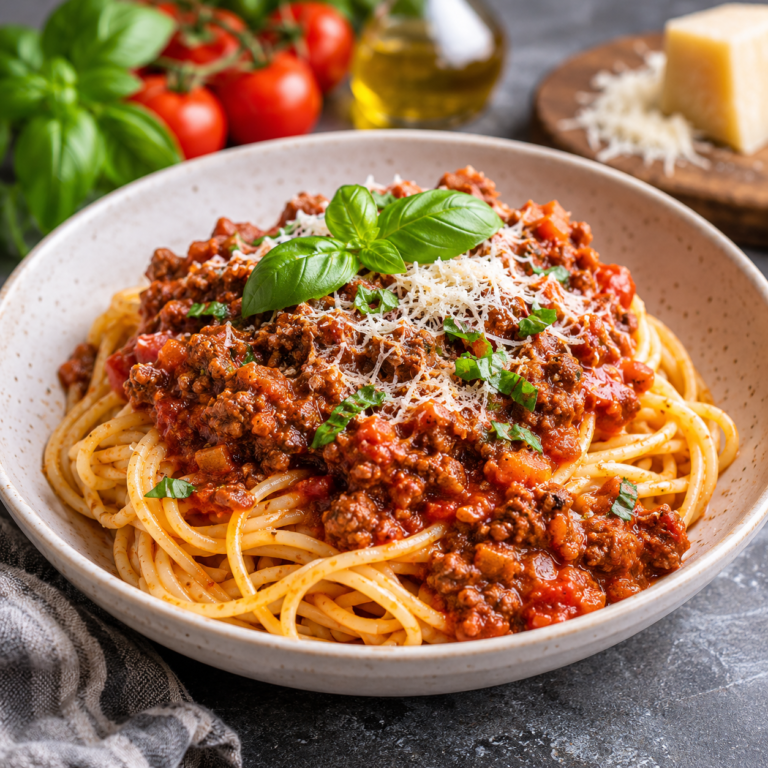
The pasta should be tender with a slight bite in the centre, and the sauce should coat it rather than sit in a puddle.

Common mistakes

  • Adding oil to the water

    Fix: It doesn't stop sticking, but stirring does, and oil stops sauce clinging.

  • Rinsing cooked pasta

    Fix: Rinsing washes off the starch that helps the sauce stick (except for pasta salad).

  • Too small a pan

    Fix: Use plenty of water so the pasta can move.

Recipes that use this technique

All techniques

Build your skills one technique at a time

Browse every technique, from knife skills to no-waste cooking.