The cost of cooking is not just the food. Energy bills add up, and some ways of cooking use a lot more power than others. Here is a rough guide to which methods are cheapest, and simple habits that save energy whatever you use.
The rule of thumb
An appliance’s running cost depends on two things: how much power it draws and how long it is on. A big oven heats a lot of empty space; a microwave heats only the food. So, roughly:
- Smaller is cheaper for small amounts.
- Faster is cheaper than slower at the same power.
- Low and slow appliances such as slow cookers use little power even over many hours.
Exact costs depend on your appliance, your energy tariff and what you are cooking, so treat this as a guide rather than precise figures.
How the methods compare
| Method | Rough power | Good for | Cost to run |
|---|---|---|---|
| Electric oven | About 2 to 3kW | Roasts, bakes, big batches | The most expensive for small amounts; better value when full |
| Electric hob ring | About 1 to 2kW | Boiling, frying, simmering | Moderate; induction is the most efficient hob. See hob types |
| Gas hob and oven | Varies | Everything | Gas usually costs less per unit than electricity, but more heat escapes |
| Microwave | About 0.8 to 1.2kW | Reheating, steaming veg, porridge, jacket potatoes | Usually the cheapest for small portions. See cooking with a microwave |
| Air fryer | About 1.2 to 2kW | Chips, roasting small amounts, reheating | Cheaper than an oven for small batches because it heats faster and a smaller space. See air fryer guide |
| Slow cooker | About 0.15 to 0.3kW | Stews, curries, pulled meat | Very cheap even over 8 hours. See slow cooker guide |
| Multi-cooker or pressure cooker | About 1kW, briefly | Stews, pulses, rice | Cheap because pressure cooks food quickly. See multi-cooker guide |
| Kettle | About 3kW | Boiling water | Quick and efficient if you only boil what you need |
Habits that save energy
- Put a lid on pans. Water boils faster and simmers on a lower setting.
- Boil water in the kettle, then pour it into the pan, and only boil what you need.
- Match the pan to the ring so heat is not wasted around the edges.
- Fill the oven. If it is on, roast veg, bake potatoes or cook tomorrow’s dinner at the same time.
- Do not preheat for longer than needed, and skip it for slow dishes like stews.
- Keep the oven door shut. Each opening lets heat escape.
- Turn off early. Electric hobs and ovens stay hot for a few minutes after switching off.
- Cut food smaller so it cooks faster.
- Batch cook and reheat portions in the microwave. See batch cooking and freezing.
- Defrost in the fridge overnight rather than using the microwave or oven.
One-pot cooking saves energy too
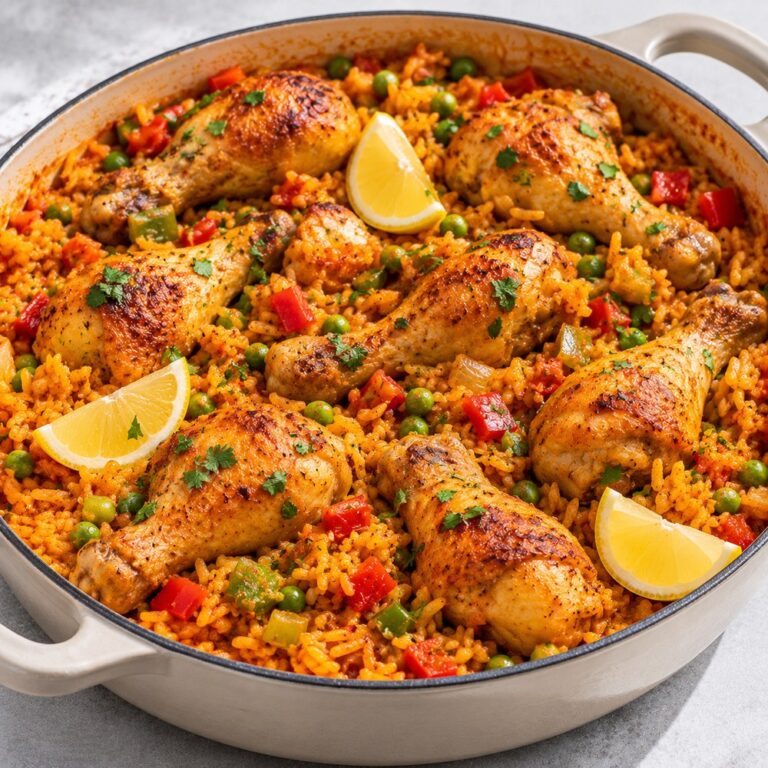
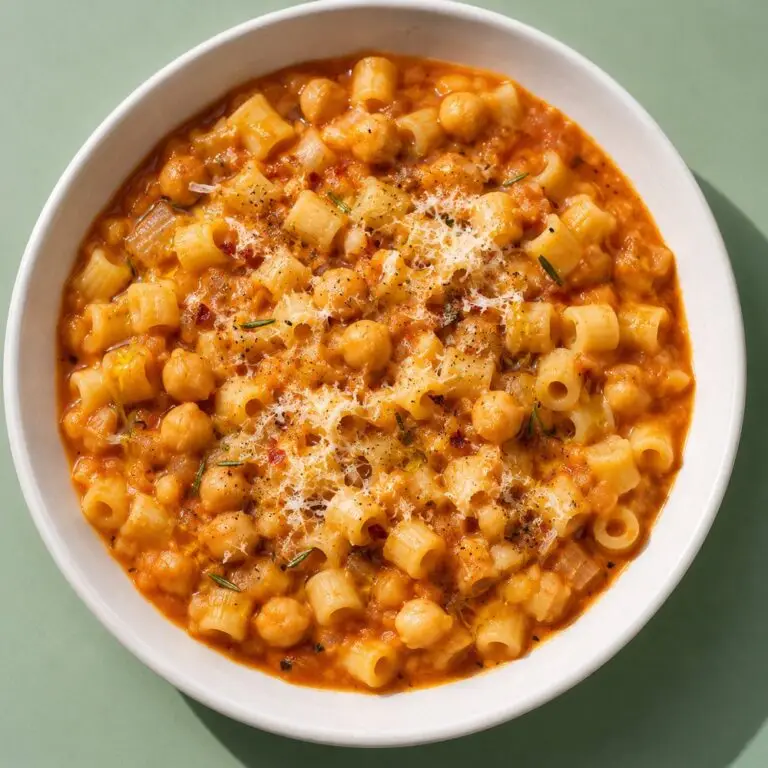
Cooking a whole meal in one pan uses one heat source instead of several. Browse one pot recipes, such as arroz con pollo, pasta e ceci and scouse.
Should I buy a gadget to save money?
Only if you will use it often. A slow cooker or air fryer can pay for itself over time if it replaces regular oven use, but the saving per meal is small, so a gadget that sits in the cupboard never pays back. See the kit worth buying first.
More budget guides
- Cooking well on a tight budget
- Meal planning on a budget
- A week of budget family dinners
- The budget store cupboard
- Cheap protein swaps
- Supermarket shopping tips
- Price per kilo and offers explained
- Cut food waste and use up leftovers
- Batch cooking and freezing
- Butcher or supermarket
- Packet casserole mixes